Learn how to build a durable ski slope base with natural and machine-made snow, prevent ground damage and improve early-season grooming efficiency.
The first snow has arrived – Time to lay the foundation for a great ski slope!
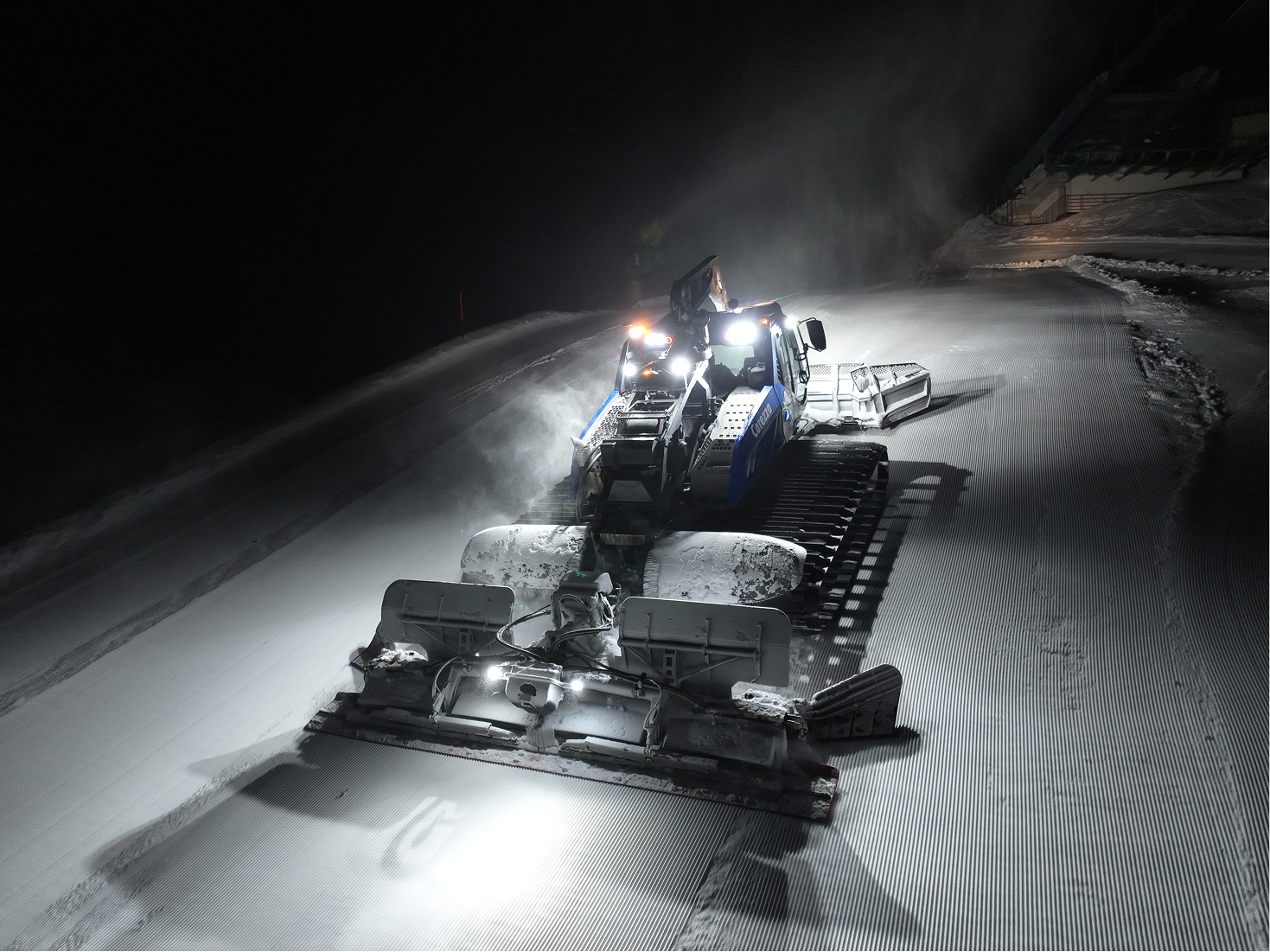
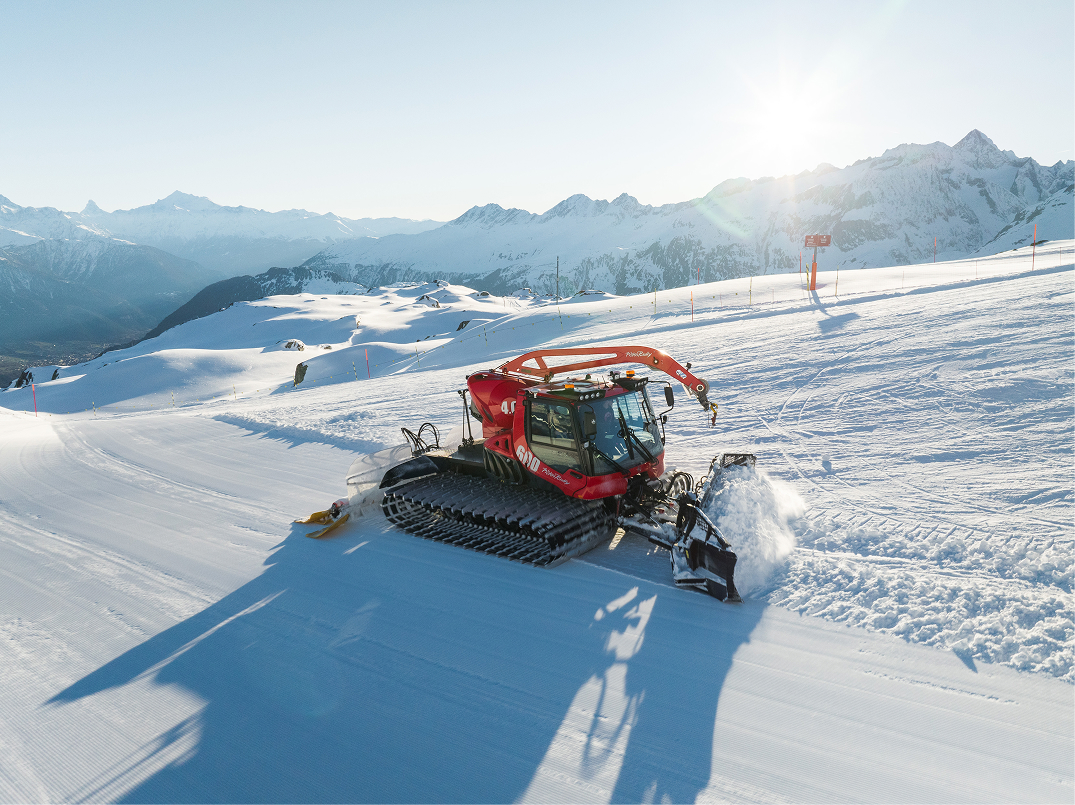
The first autumn snowfalls bring excitement to ski resorts as the new winter season approaches. While the mountains gradually turn white, slope maintenance teams enter one of the most demanding phases of the season. The work carried out now lays the foundation for slope quality over the months ahead.
However, the first snowfall does not automatically mean that snow groomers should start operating.
Building a solid snow base requires choosing the right moment and making the most efficient use of the available snow.
1. The first natural snow – groom it or leave it untouched?
One of the first decisions concerns how to handle freshly fallen natural snow. Should it be compacted immediately, or is it better to leave it untouched?
There is no universal answer. The key factors are snow depth, ground conditions, the remaining time until the resort opens and the weather forecast.
On well-prepared, relatively even slopes with good grass cover, early compaction can be beneficial. It reduces air pockets and helps create a denser snow layer.
The situation is different on rocky or uneven terrain. With insufficient snow cover, the tracks and front blade may damage the ground and mix soil into the snow. Rocks and stones can also cause damage to the snow groomer itself.
Not every early snowfall calls for immediate grooming. Sometimes waiting is the better decision.
2. Initial compaction – Building a solid snow base while preventing ground damage
Once sufficient snow is available, the initial base-building process begins. Unlike regular slope grooming, the goal is not to create a perfectly finished surface but to establish a uniform and stable snow base.
Careful compaction is particularly important when large amounts of loose natural snow are present. The snowpack should be worked progressively down towards the ground to prevent trapped air layers within the base. Subsequent snow metamorphism and sintering help strengthen the bonds between snow crystals.
Several principles are essential during this phase:
- Work without the tiller: During initial base preparation, the tiller should generally remain out of operation. Ideally, it should be removed to reduce machine weight and avoid potential damage.
- Use the front blade selectively: For example, to level snowdrifts or create snow-catching berms in wind-exposed areas.
- Optimise driving movements: Avoid unnecessary passes and plan steering movements to make efficient use of the machine's downhill gravitational force.
- Prevent ground damage: Snow depth alone is not the deciding factor. On unfrozen or waterlogged ground, spinning track cleats, aggressive steering and excessive machine loads can tear up the grass cover and damage the underlying soil.
Ground damage has both environmental and financial consequences.
Damaged slope areas often require repair, reseeding and revegetation in spring, resulting in additional labour and costs. Repeated damage may also cause conflicts with landowners and reduce their willingness to cooperate with ski resort operators.
Tiller operation should be limited to exceptional situations, such as preparing the surface ahead of an expected warm spell or creating a suitable route for the snowmaking team's snowmobiles.
After grooming, the snowpack needs sufficient time to settle and strengthen. Under suitable temperature conditions, the underlying ground may also freeze.
Experienced operators and close coordination with the snowmaking team are therefore particularly important.

3. Machine-made snow – Distribute it correctly and build the base layer by layer
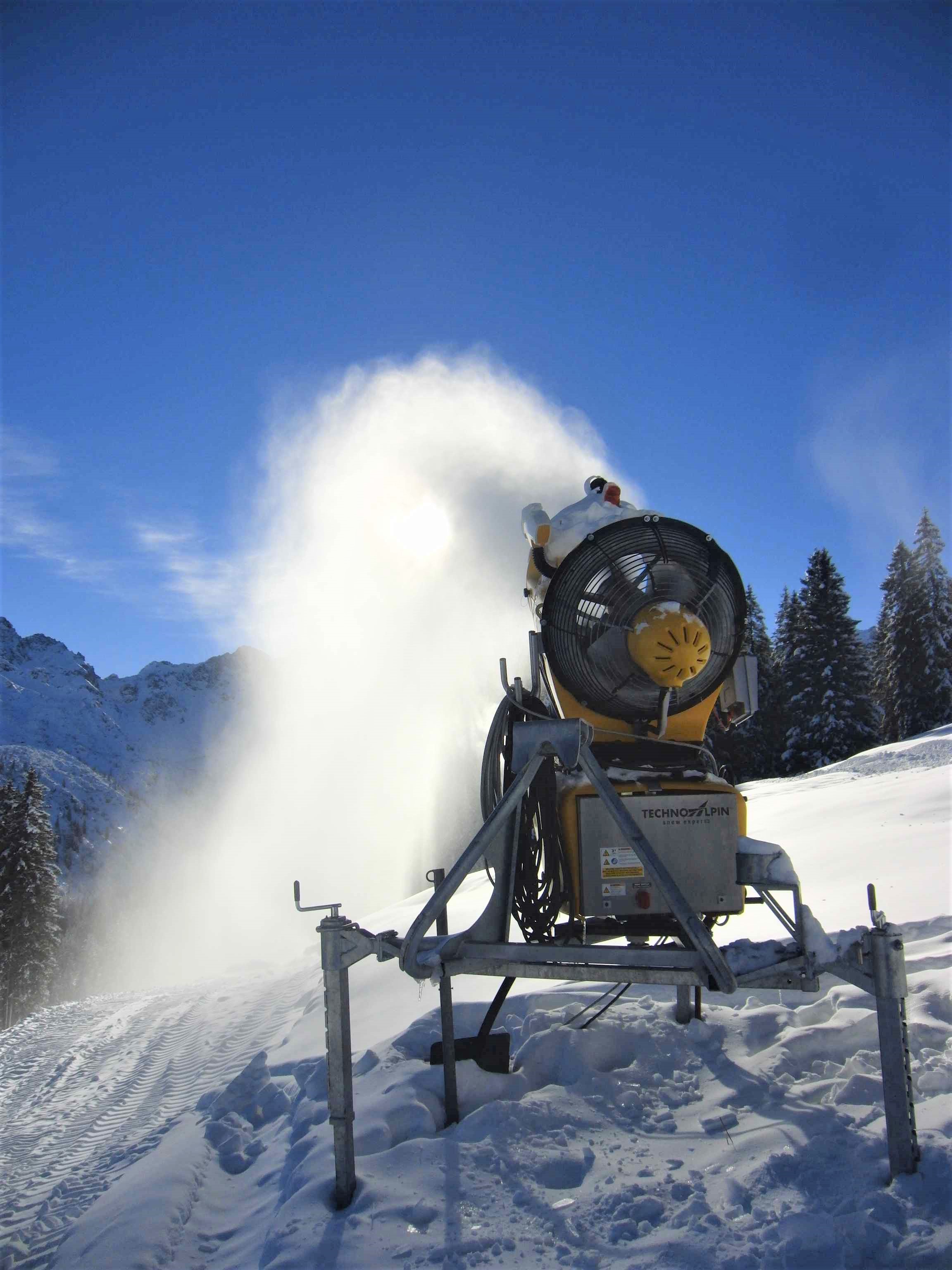
At many ski resorts, base-layer snowmaking begins before the first significant natural snowfall. Machine-made snow provides a durable foundation capable of withstanding the demands of subsequent skiing operations.
When natural and machine-made snow are combined, achieving a uniform mixture is important for creating a homogeneous snow base.
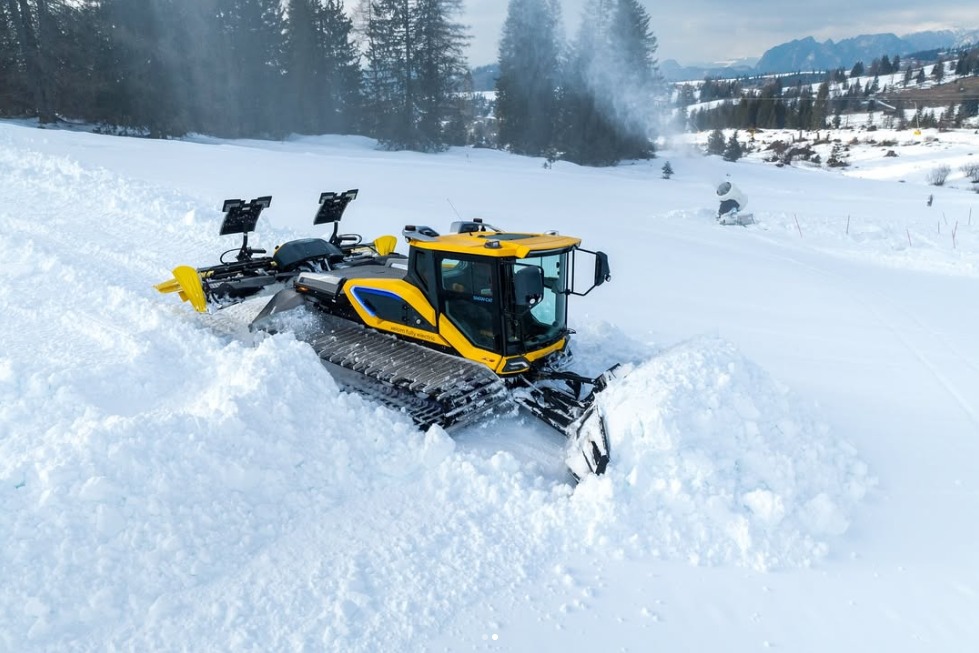
Depending on the snowmaking strategy, machine-made snow is either produced in large piles or distributed across wider areas through the automatic oscillation of snow guns.
Snow piles allow large quantities of snow to be produced in concentrated locations and distributed later as needed. Before moving these piles, sufficient time should be allowed for the snow to cool down and lose excess moisture.
Learn more about these snowmaking strategies and how to handle freshly produced snow in our previous blog article, “Base-Layer Snowmaking – Why More Snow Isn't Always Better”.
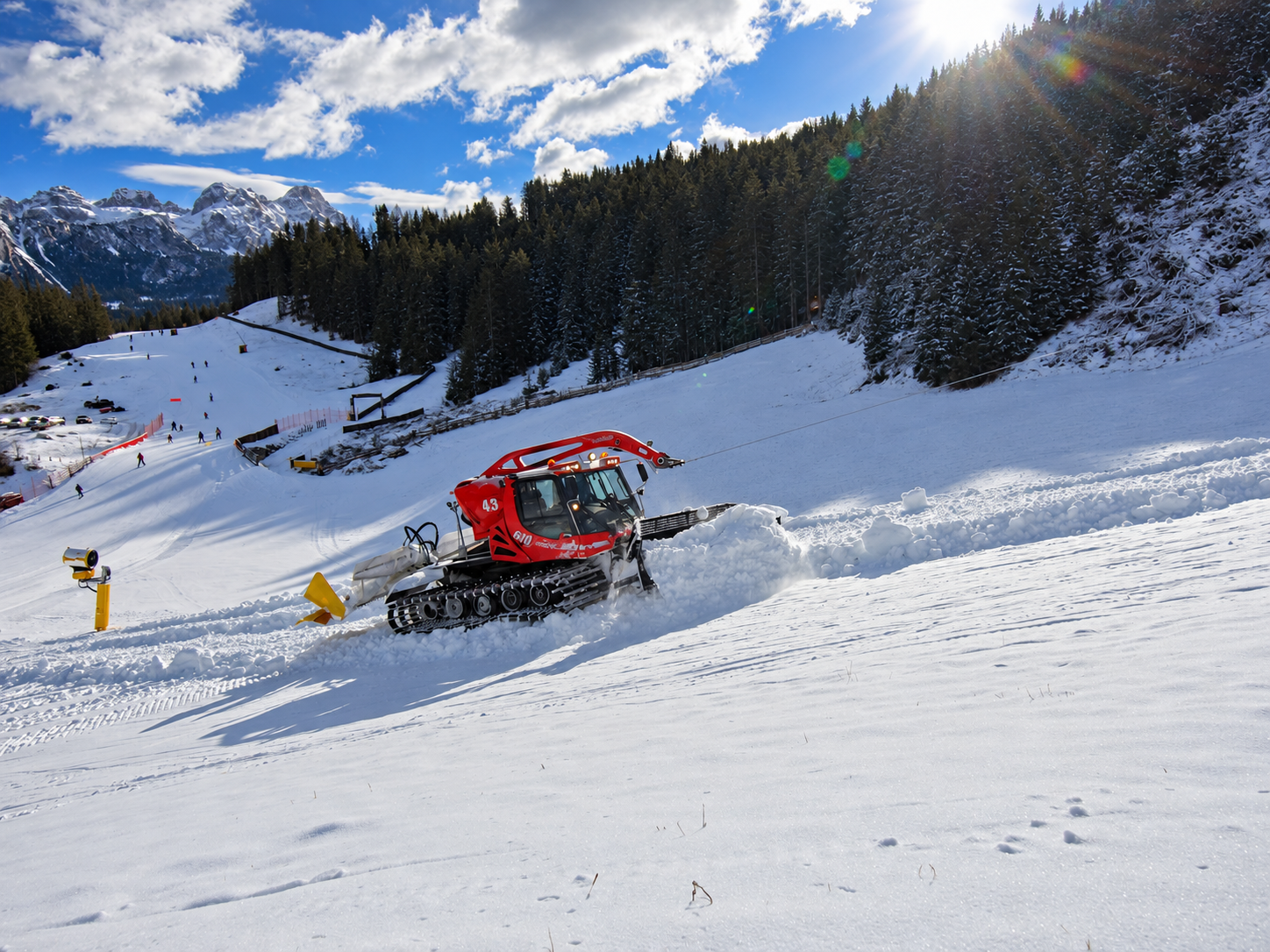
The key is to spread machine-made snow in thin layers of no more than 20 cm (8 inches), compact each layer thoroughly and build the snow base progressively over several passes.
On steep slopes, snow groomer operators often push large snow piles downhill during initial base preparation. While this allows substantial volumes of snow to be moved quickly, it makes proper compaction of the individual layers considerably more difficult. Wherever possible, snow should therefore be pushed and distributed uphill, compacting it progressively.
Building the snow base over several days allows individual layers to strengthen between operations. This is essential for achieving a dense and stable foundation.
4. Build the snow base where it is needed most
Initial base preparation is not about achieving the same snow depth everywhere. Instead, available snow should be distributed according to terrain characteristics and the expected demands of skiing operations.
Particular attention should be paid to:
- Hilltops and terrain transitions with limited snow cover.
- Steep sections where skiing causes increased snow displacement.
- Narrow passages, high-traffic areas and lift access points.
- Uneven terrain requiring additional snow coverage.
Modern snow depth measurement systems help operators distribute snow precisely and avoid unnecessary snow-moving operations.
Every cubic metre of snow positioned correctly in autumn can save valuable grooming work during the season. The key is to build the snow base progressively over several days.

5. Time and Temperature Work in Your Favour
Time is one of the most underestimated factors in early-season slope preparation.
After machine work, the snowpack needs periods of rest during which bonds between snow crystals develop and the snow layer gains strength.
Falling temperatures and favourable radiative cooling conditions are particularly beneficial. Repeated grooming at the wrong time, on the other hand, can interfere with the strengthening process.
Initial base preparation should therefore always be guided by actual snow and weather conditions.
Conclusion: A great ski slope starts long before the first skier arrives
Careful early-season base preparation makes subsequent grooming easier, extends the lifespan of the snowpack and helps operators use machinery and resources more efficiently.
Because the quality of a ski slope does not begin with the first perfectly groomed corduroy finish – it begins with how the first snow is handled.
Get Ready for the winter season with S&E – SlopeExperts
How should the first snowfall be handled? When is the right time for initial compaction, and how can machine-made snow be transformed into a solid and durable slope base?
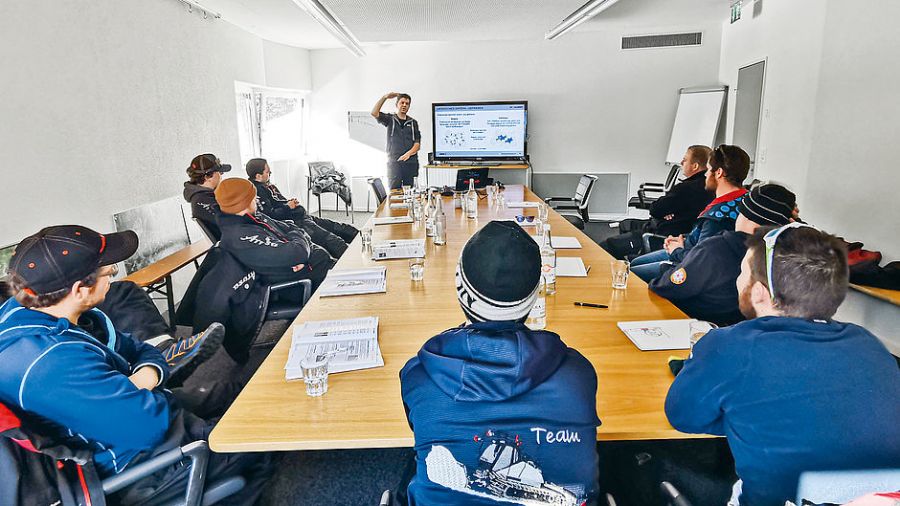
These are exactly the questions we address in our ‘PROFESSIONAL Slope Grooming – Preseason Training’ programme. Working directly at your ski resort and on your own snow groomers, we provide hands-on training on optimising initial snow base preparation, preventing ground damage and avoiding unnecessary machine hours.
Enquire about our training programme today and lay the foundation for a successful winter season!
S&E – SlopeExperts | Systematic Slope Optimisation.
Ready to take your slopes to the next level?
Whether you need targeted training, strategic consulting or temporary reinforcement - we are your partner for efficient slope grooming and sustainable snow management.