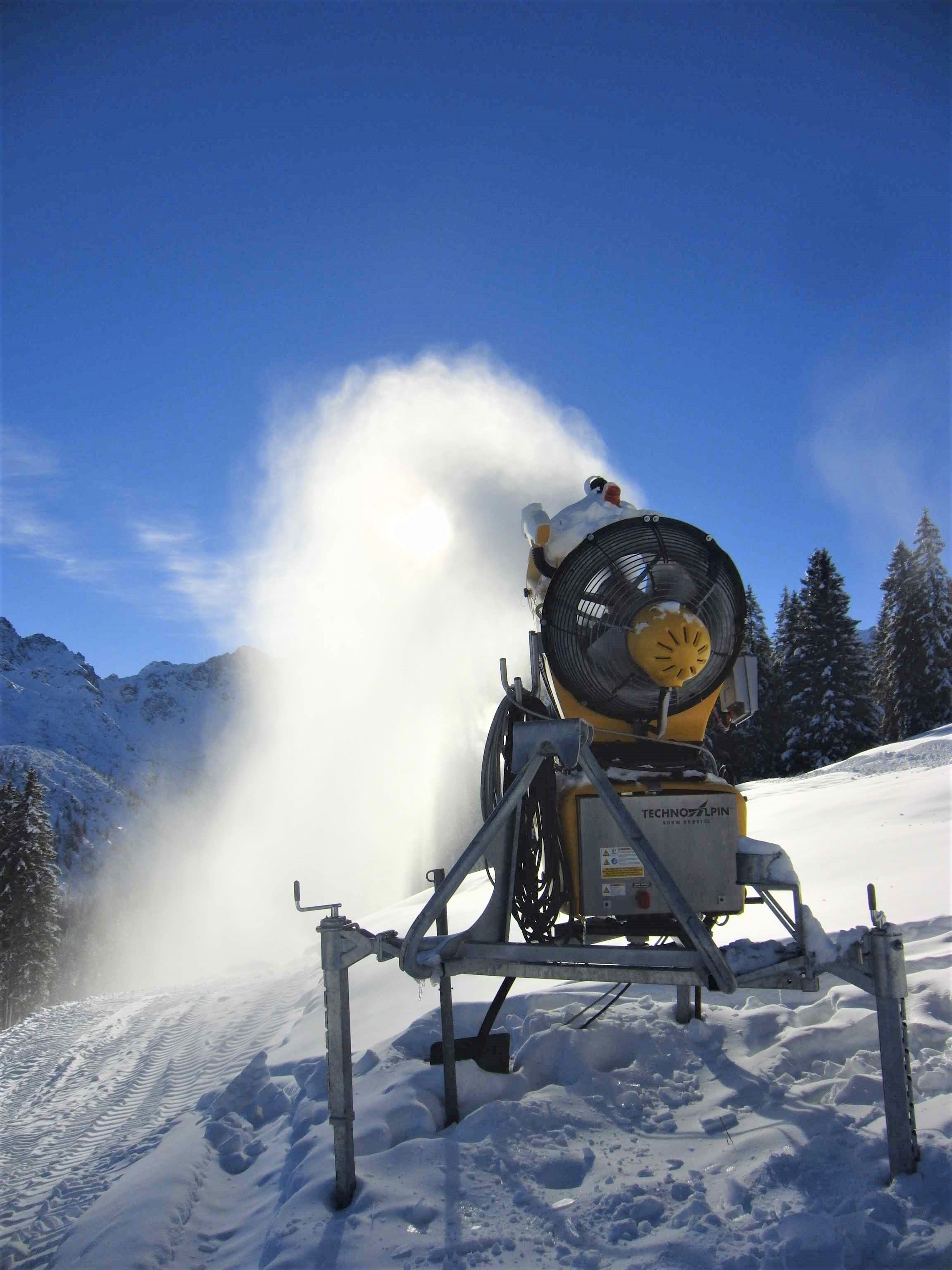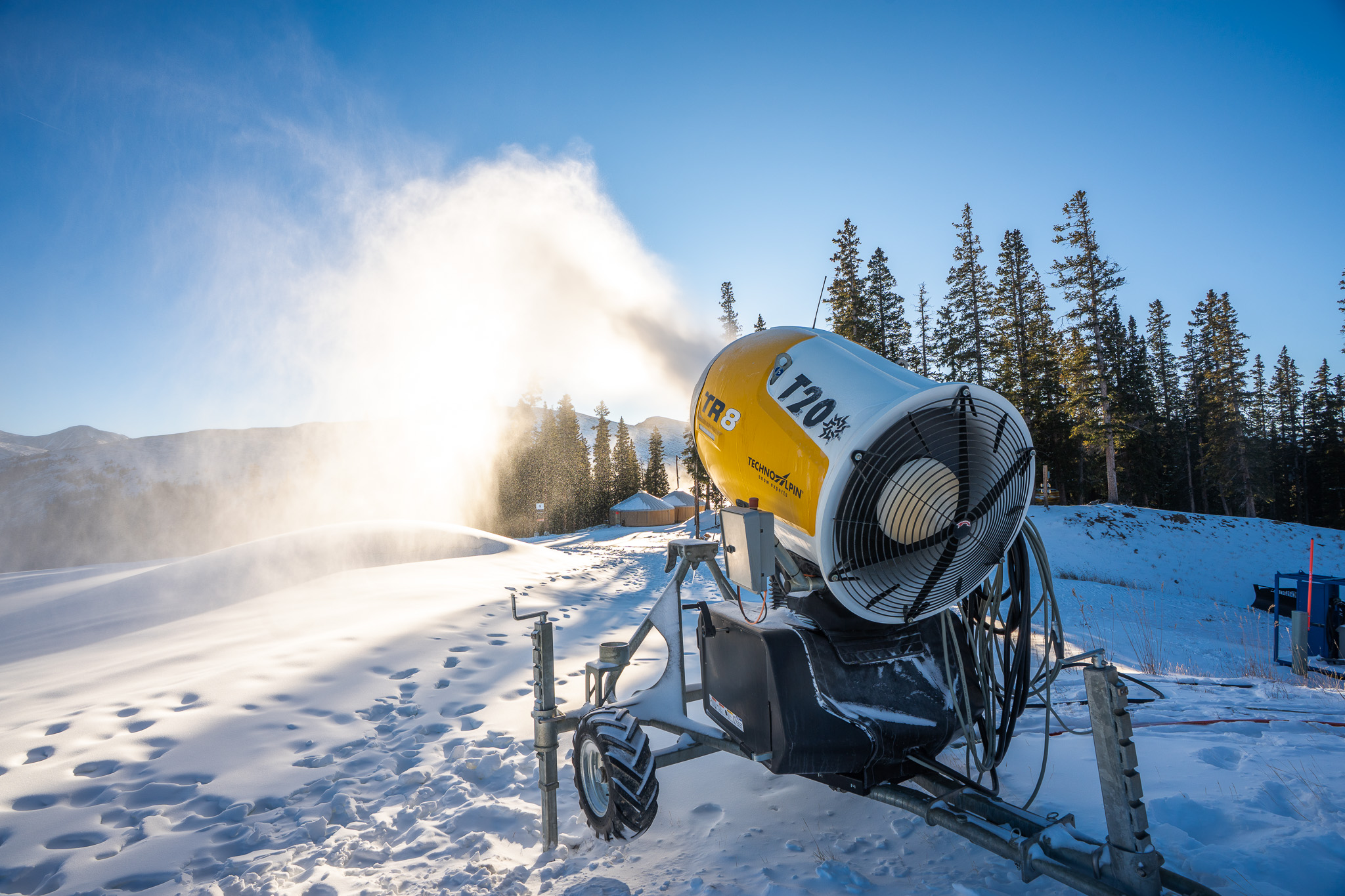
Efficient snowmaking starts well before winter. Maintenance, reservoir cleaning, system checks and planning help ensure reliable snow production from day one.
Preparing snowmaking systems for winter:
Why efficient snow production starts long before the first cold spell
When temperatures drop and the first suitable snowmaking window opens, every hour can matter. Short cold spells leave little room for technical issues, contaminated components or operational procedures that have not yet been fully defined. Efficient snow production therefore starts long before the first snowmaking machines are switched on.
A well-prepared snowmaking system makes it possible to use available cold windows more effectively, reduce downtime and make better use of water, energy and system capacity. What matters is the performance of the entire infrastructure – from the water reservoir and pumping station to pipelines, valve pits, snowmaking machines, sensors and control systems.
Maintenance: the foundation for a reliable start to the season
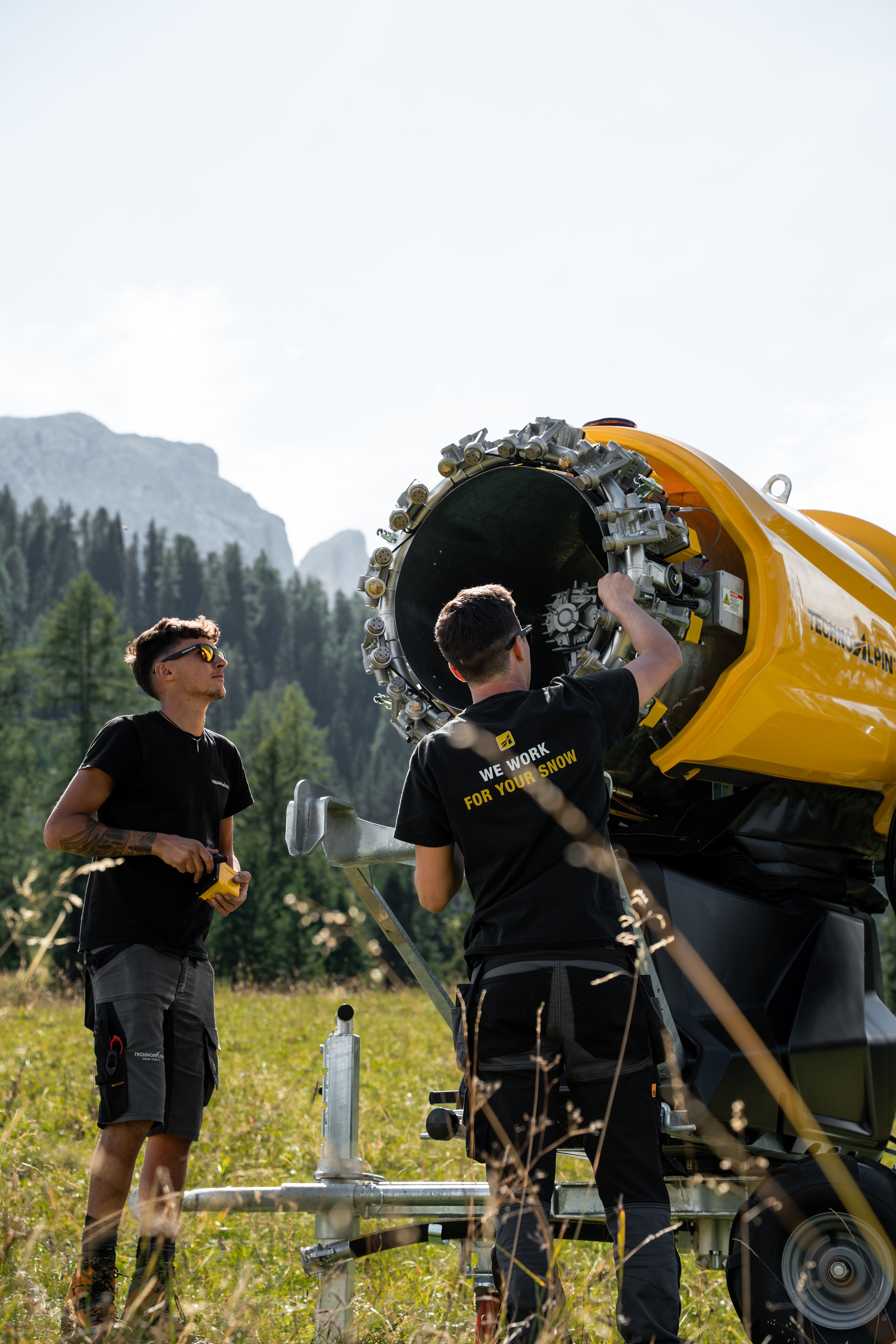
Once one season ends, preparations for the next one begin. The snow-free months provide the ideal opportunity to systematically inspect the entire snowmaking infrastructure.
Snowmaking machines, nozzles, filters, valves and hydrants should be checked alongside electrical connections, pumps and technical rooms. Wear parts can be replaced in good time, while smaller issues can be addressed before they cause downtime during a valuable snowmaking window.
A full system test should not be postponed until the first freezing night either. The earlier potential problems are identified, the more time there is to organize repairs and replacement parts.
Clean water reservoirs help protect the entire system
One part of seasonal preparation that should not be overlooked is the inspection and cleaning of snowmaking water reservoirs. During the warmer months, algae may develop and sediment, sludge or other debris may accumulate, depending on the reservoir and water conditions.
Where contamination is present, it should be removed well before the snowmaking season begins. Debris can affect more than just water quality. It may also place additional strain on filters, pumps, valves, pipelines and nozzles.
In the worst case, blockages or operational issues occur exactly when the first cold days provide the opportunity for intensive snow production.
An early visual inspection of the reservoir is therefore advisable. If algae or sediment are detected, there is still sufficient time to carry out a thorough cleaning before the start of the season. Intake points, filters and other water-carrying components should be inspected at the same time.
The objective is straightforward: once the first suitable snowmaking window arrives, the water supply needs to support reliable and continuous operation.

Check pumps, pipelines, and hydrants well in advance
In addition to the reservoir, the entire water supply path needs to be checked. The performance of a snowmaking system does not depend on the snowmaking machines alone.
Pumps, filters, valves, pipelines, hydrants and valve pits should be inspected for proper operation, wear and potential leaks. Pressure conditions and pump performance are equally important for maintaining consistent production.
Maintenance on pipelines and valve pits is far easier to carry out during summer and autumn than in sub-zero temperatures, on snow-covered slopes and while the ski area is already in operation.
Define the snowmaking strategy before winter
A technically operational system is only one part of the preparation. It is just as important to determine where snow production should be prioritized when the available snowmaking window is short.
These priorities should be established before the season starts. Key return runs, connecting slopes, lift access areas and particularly snow-sensitive sections may all require different production targets.
A clearly defined snowmaking plan helps ensure that available water, pumping capacity and snowmaking machines are deployed where they are needed most.
Test sensors, software, and communication systems
Weather stations, temperature and humidity sensors, communication networks and the overall control system should also be tested well in advance.
A pre-season system test helps answer important operational questions: Are valves responding correctly? Are the snowmaking machines communicating reliably with the central control system? Are sensor readings plausible? Do pumps and pressure controls perform as expected under load?
Any issue identified before winter is one less issue that needs to be solved during the first cold night.
Prepare the team for the start of the season
Efficient snowmaking is not only about technology. Clear responsibilities, established procedures and well-prepared operators are equally important.
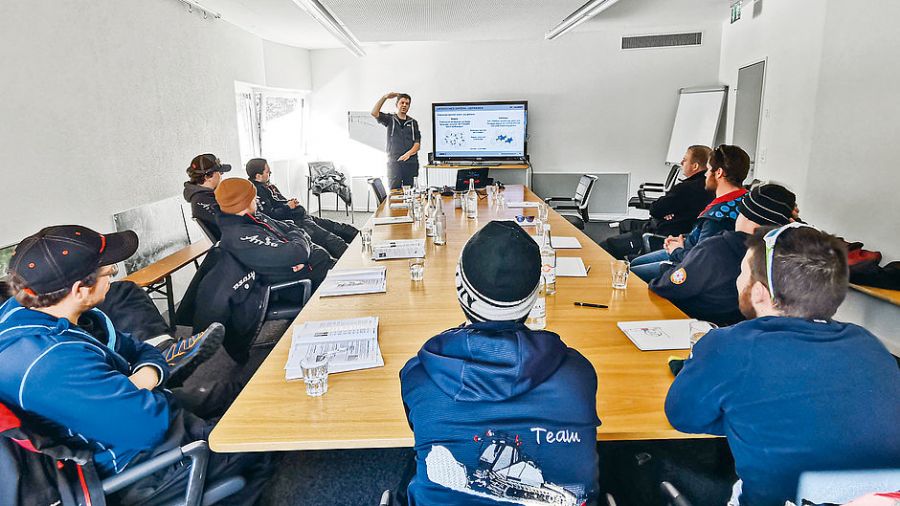
Staff should be familiar with the snowmaking machines, pumping stations and control systems and know how to respond quickly when a fault occurs. Especially during short cold windows, an experienced and coordinated team can prevent valuable production time from being lost to unnecessary troubleshooting or communication.
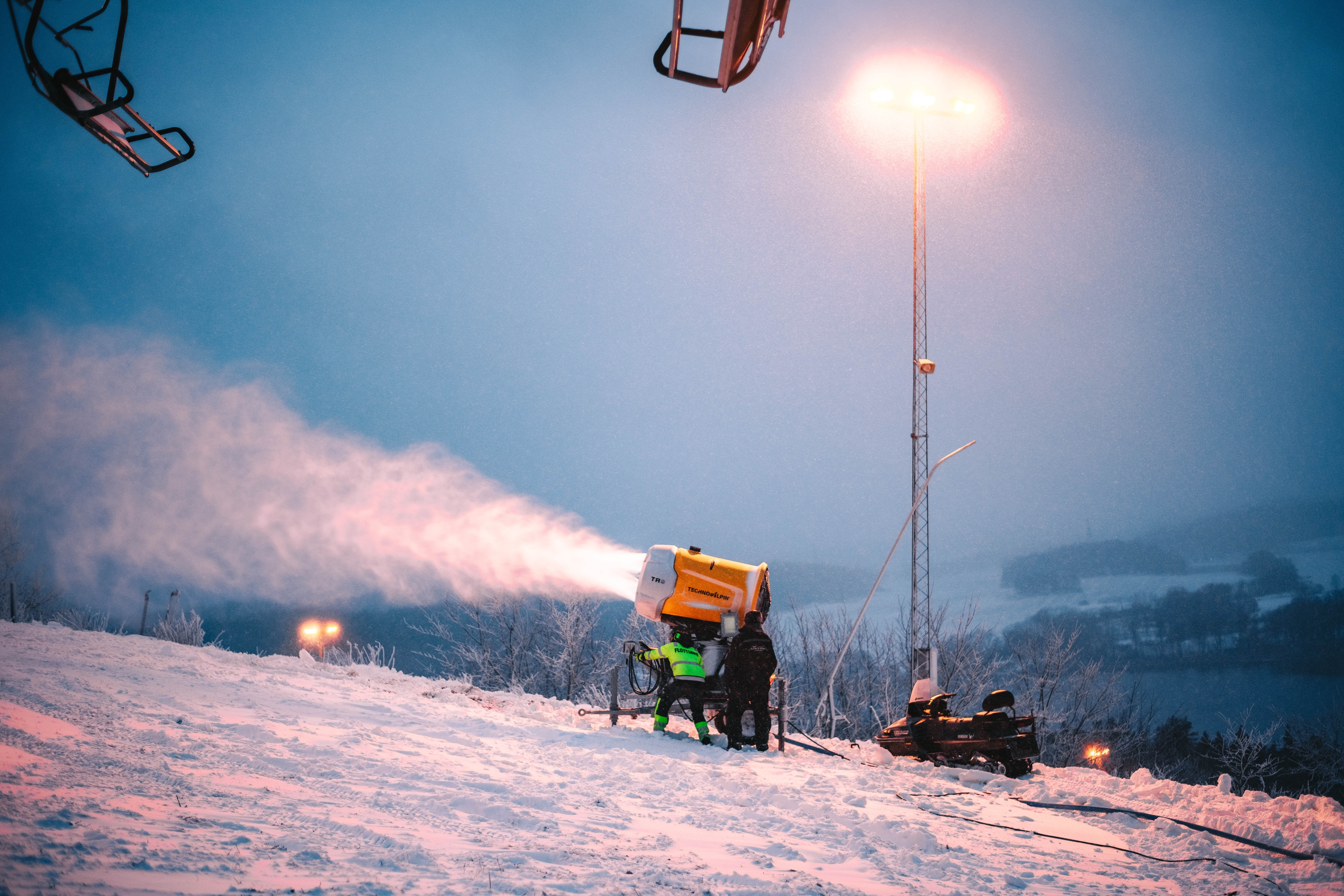
When the snowmaking window opens, every hour counts
The first suitable cold spell should not be the first time the entire snowmaking system is put through a complete operational check.
Maintenance, reservoir cleaning, pump and pipeline inspections, system testing, snowmaking planning and staff preparation all belong in the weeks and months leading up to winter.
The better the technology, water supply and operational processes are prepared, the more effectively the first cold periods can be used. Efficient snow production therefore does not begin when temperatures fall below freezing – it begins with careful preparation.
Prepare the snowmaking system well before winter
An early inspection of the snowmaking system creates the right conditions for a reliable start to the winter season. Maintenance work, cleaning requirements and technical adjustments can all be planned and completed more effectively before the first cold windows arrive.
Preparing the system in good time helps create the conditions needed to make reliable and efficient use of the first snowmaking opportunities. For questions regarding seasonal preparation or required maintenance measures, we are always available as a technical point of contact.
Fotocredits: TechnoAlpin AG
Ready to take your slopes to the next level?
Whether you need targeted training, strategic consulting or temporary reinforcement - we are your partner for efficient slope grooming and sustainable snow management.