What should be checked on snow groomers before the season starts? The key inspections after summer maintenance and a long period of storage at a glance.
Snow groomers before the season: These checks make the difference for a reliable winter
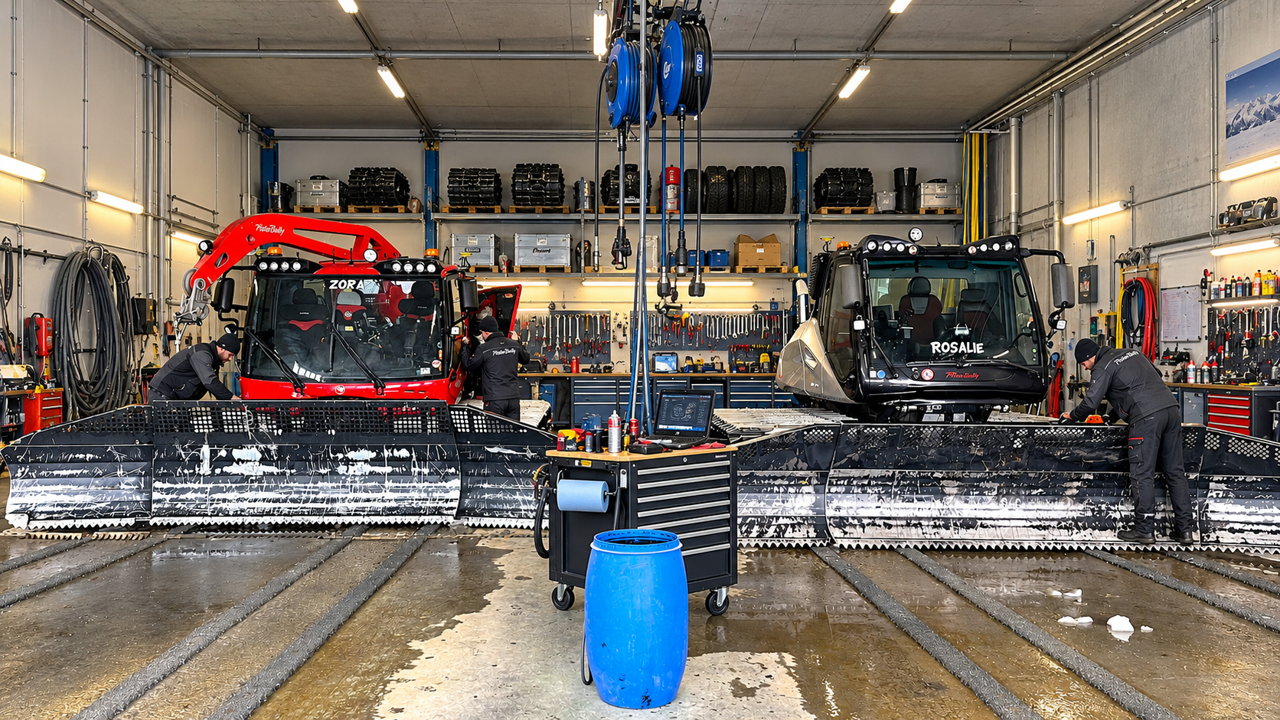
Summer maintenance is complete, the machine is ready – and the first snow can come. In theory. After several months of storage, however, even a thoroughly serviced snow groomer may require another close inspection.
That is why a systematic pre-season check is worthwhile shortly before operations begin. Small issues detected now can help prevent unexpected downtime later, when every machine is needed on the mountain.
1. Has everything from the summer maintenance programme really been completed?
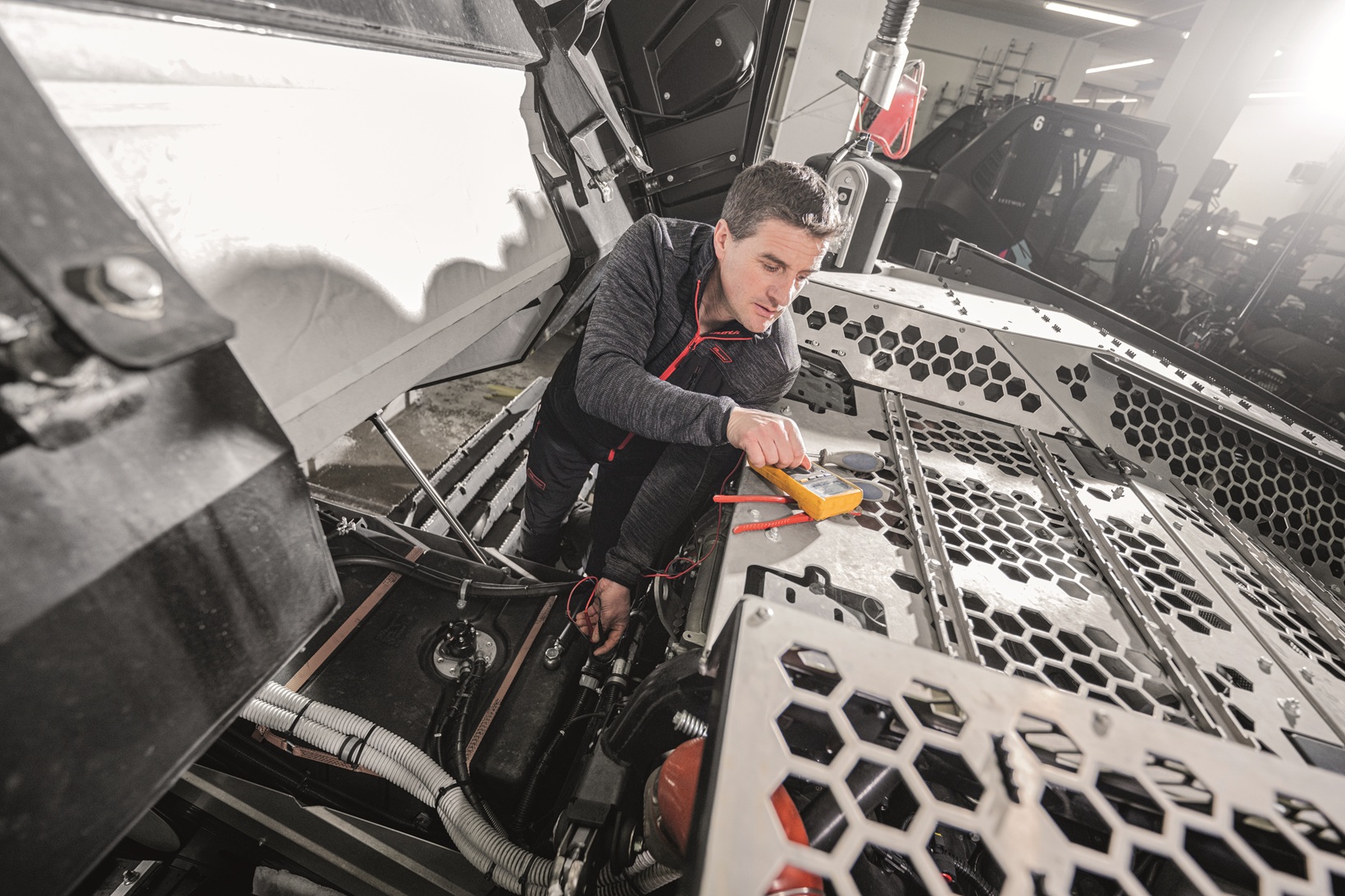
The first step should be a review of the maintenance documentation. Have all scheduled jobs been completed? Are there any outstanding repairs, replacement parts still to be fitted or issues from the previous season that still need attention?
Operating hours and upcoming service intervals should also be checked. Accurate documentation makes it easier to identify open tasks and assess the actual maintenance status of the machine. Digital maintenance systems can also help keep service intervals, repairs and upcoming work clearly documented.
2. What may have changed during the long storage period?
A machine that was parked in perfect technical condition in spring will not necessarily be in exactly the same condition several months later.
Particular attention should be paid to fuel, engine oil, coolant, hydraulic oil and – depending on the machine – AdBlue or DEF. Only fluids approved for the specific vehicle should be used. Oils or coolants should never be assumed to be compatible simply because they have a similar colour or description.
Batteries can also discharge during long periods of storage and should therefore be checked carefully before the start of the season.
3. Tracks and running gear: A close inspection pays off
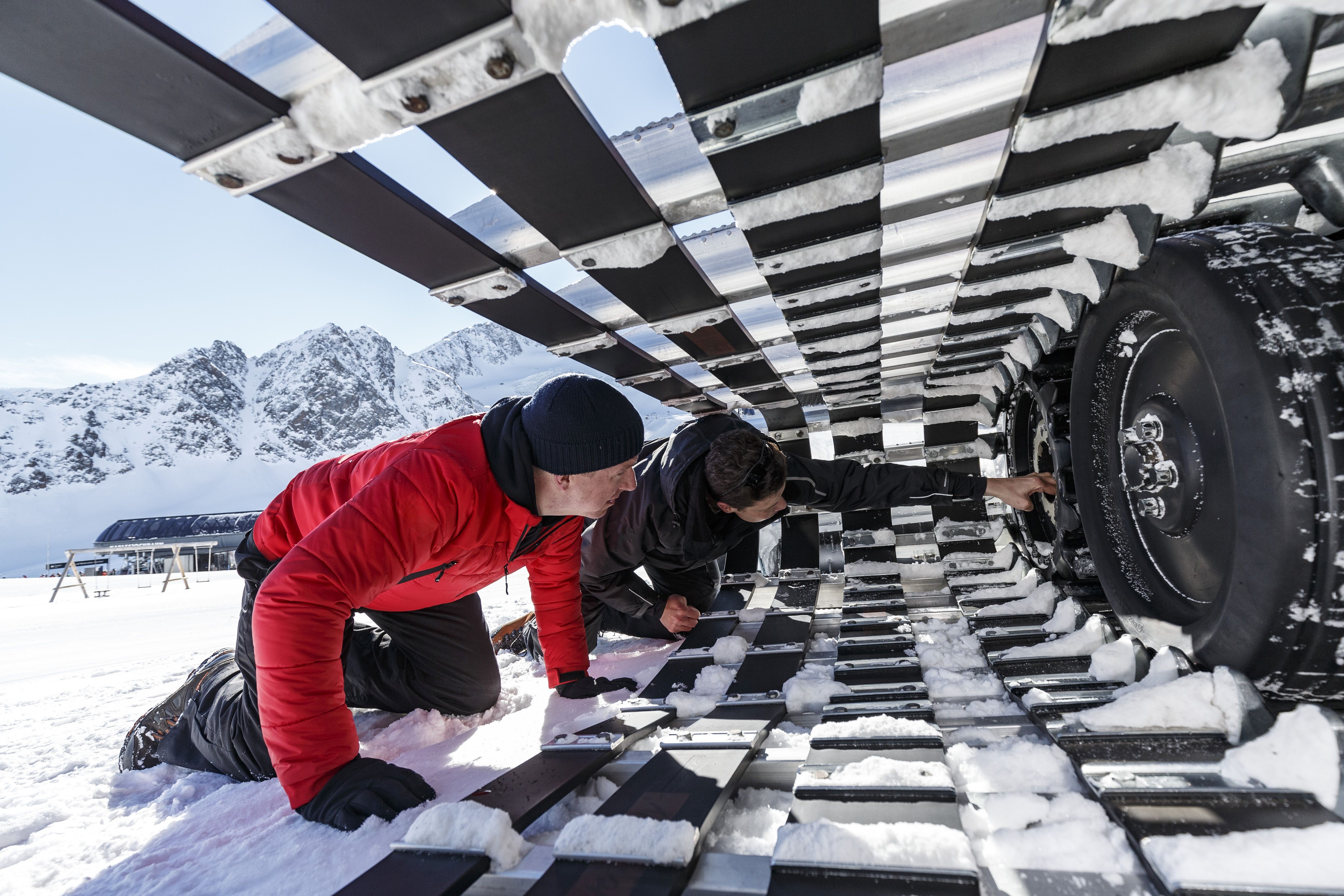
The track system and running gear are exposed to heavy loads throughout the winter and are therefore among the most important areas to inspect before the first deployment.
Checks should include the track belts, grousers or crossbars, connecting components, running wheels, tension wheels and drive sprockets.
The inspection should not focus only on obvious damage. Cracks, excessive play, loose connections or incorrect track tension can quickly lead to problems once the machine is back in daily operation.
4. Test hydraulics and attachments before the first snow
The front blade, tiller and other attachments should not be tested for the first time when the machine is already needed on the slope.
Hydraulic lines, hoses and connections should be checked for damage, chafing and leaks. Pins, bearings, couplings and locking mechanisms should also be inspected.
Once the machine is running, all hydraulic functions should be tested throughout their intended range of movement.
For snow groomers equipped with a winch, additional inspections are required. The winch system and winch cable in particular must be checked in accordance with the applicable maintenance and safety requirements. The relevant manufacturer specifications remain essential.
5. Do not overlook electrical systems, the cab and safety equipment
A functioning engine alone does not make a snow groomer ready for the season.
Headlights, work lights, warning lights, windscreen wipers, heating and defrost systems should all be checked, together with camera systems, mirrors and any additional assistance systems.
Seat belts, warning devices, emergency and safety systems, fire extinguishers and all required safety equipment should also be included in the inspection. Applicable inspection and expiry dates must be taken into account.
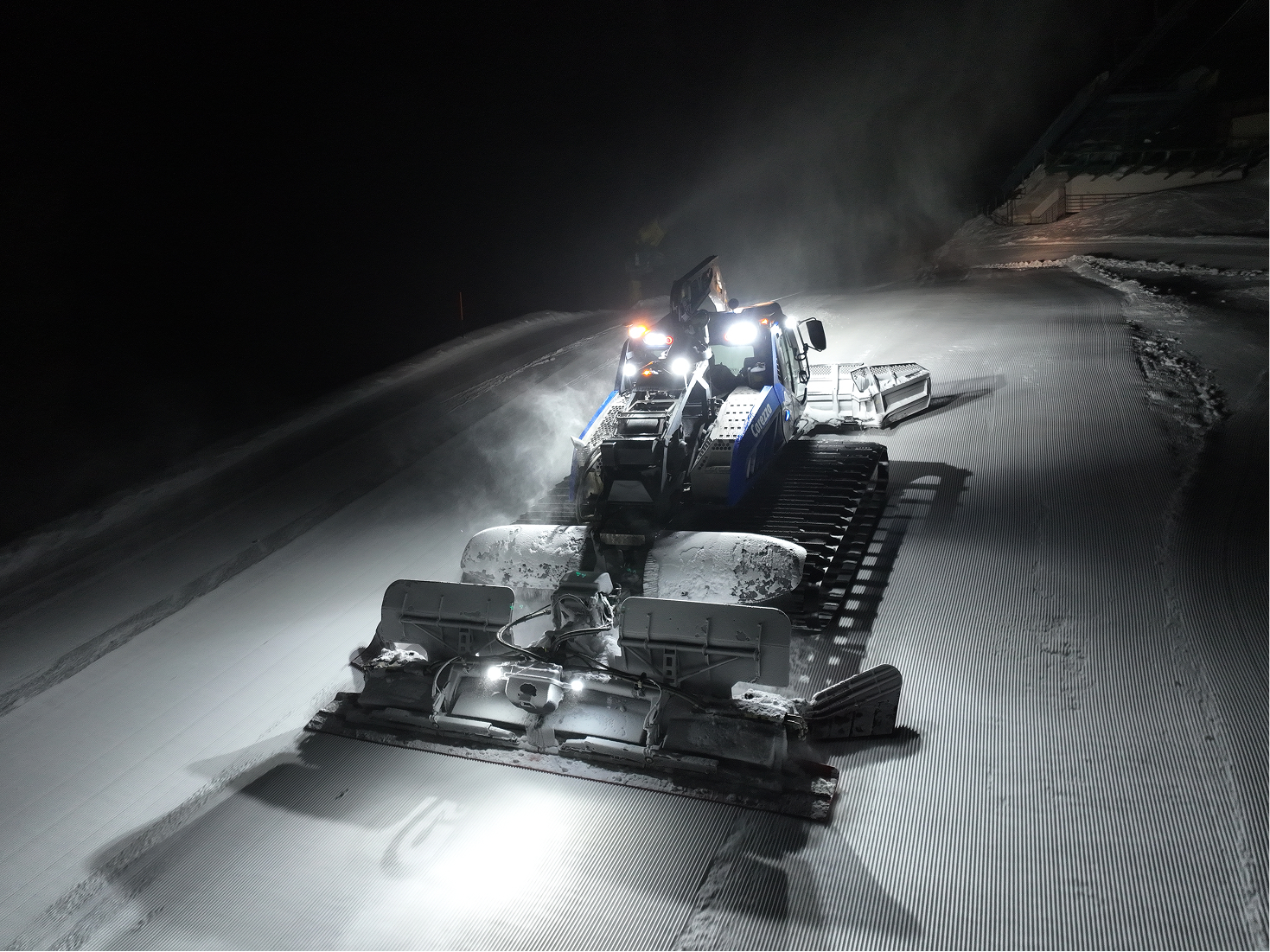
Especially during night grooming, poor visibility or difficult weather conditions, even a small defect can quickly become a safety issue.
6. The crucial step: A functional test
After the visual inspection and fluid checks, the next step is a controlled test run.
The engine and hydraulic system should be started and operated in accordance with the prescribed procedures. This is the moment to listen and observe carefully: Are there any unusual noises? Are warning messages displayed? Are there visible leaks? Do temperature and pressure readings remain within the normal range?
The drive system, steering, parking brake, front blade, tiller and all other working functions should then be tested in a safe area.
Any irregularities should be documented and, ideally, corrected before the snow groomer returns to regular operation.
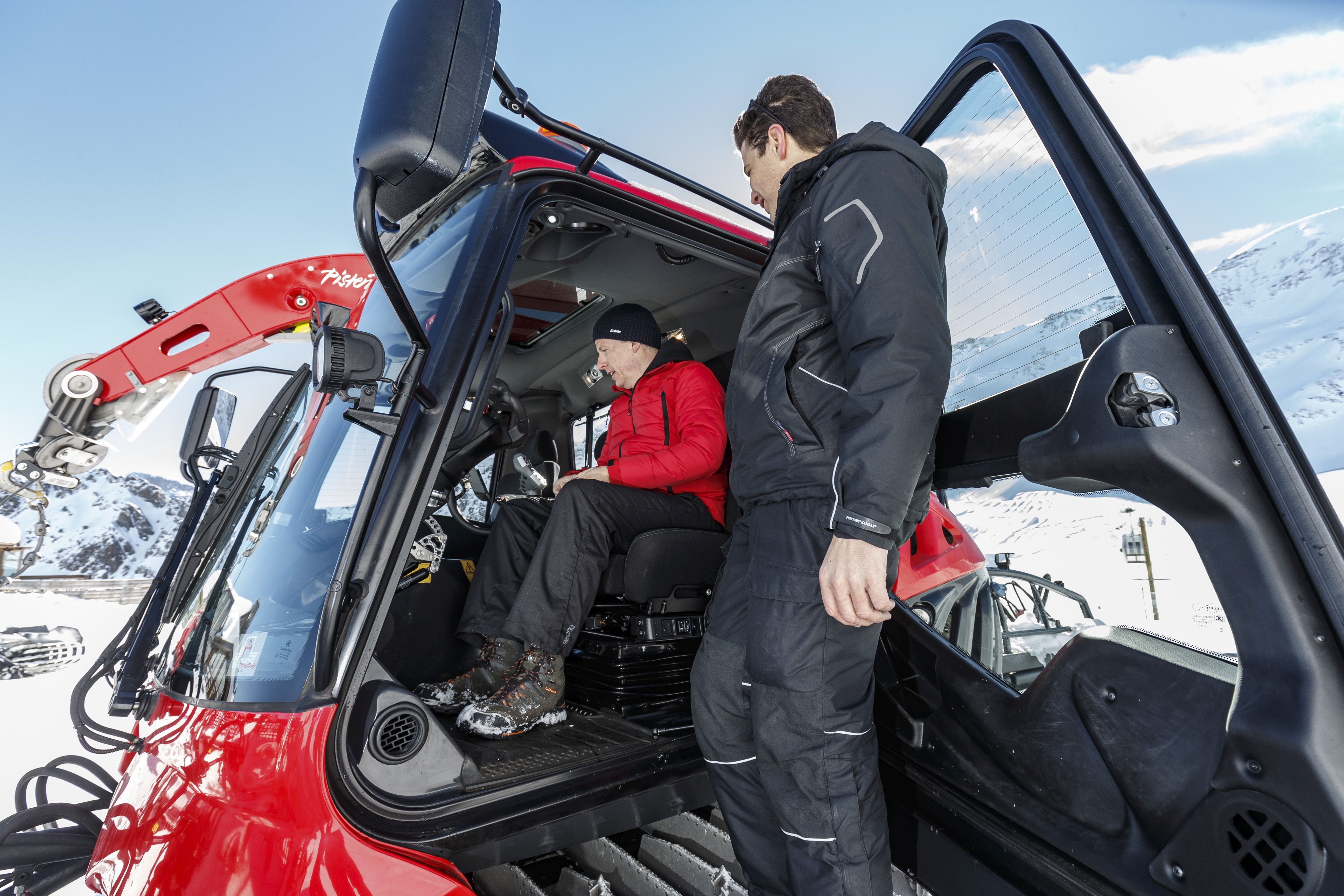
Good preparation reduces unplanned downtime
Thorough summer maintenance provides the foundation for a reliable winter season. The final inspection shortly before the season starts, however, confirms whether the machine has come through the storage period without problems.
Systematically checking the maintenance status, fluids, running gear, hydraulics, electrical systems and safety equipment reduces the risk of unpleasant surprises precisely when the snow groomer is needed every day.
The winter season does not start with the first snowfall – it starts with a careful inspection of the machines in the workshop.
Technical questions before the first snow?
Missing wear parts, fluids or technical issues should ideally not become apparent only when the first snow arrives.
Check in good time which components will be required for the coming season. If you need support with spare parts, maintenance or pre-season preparation, feel free to contact us.
Ready to take your slopes to the next level?
Whether you need targeted training, strategic consulting or temporary reinforcement - we are your partner for efficient slope grooming and sustainable snow management.